
Here are the most overlooked coaching points for receivers in flag football. These things are overlooked on all age levels and league formats. If players and coaches focus on these coaching points they will develop or become elite and complete receivers.
Overlooked Coaching Points for Receivers in Flag Football
Working Back to the Quarterback
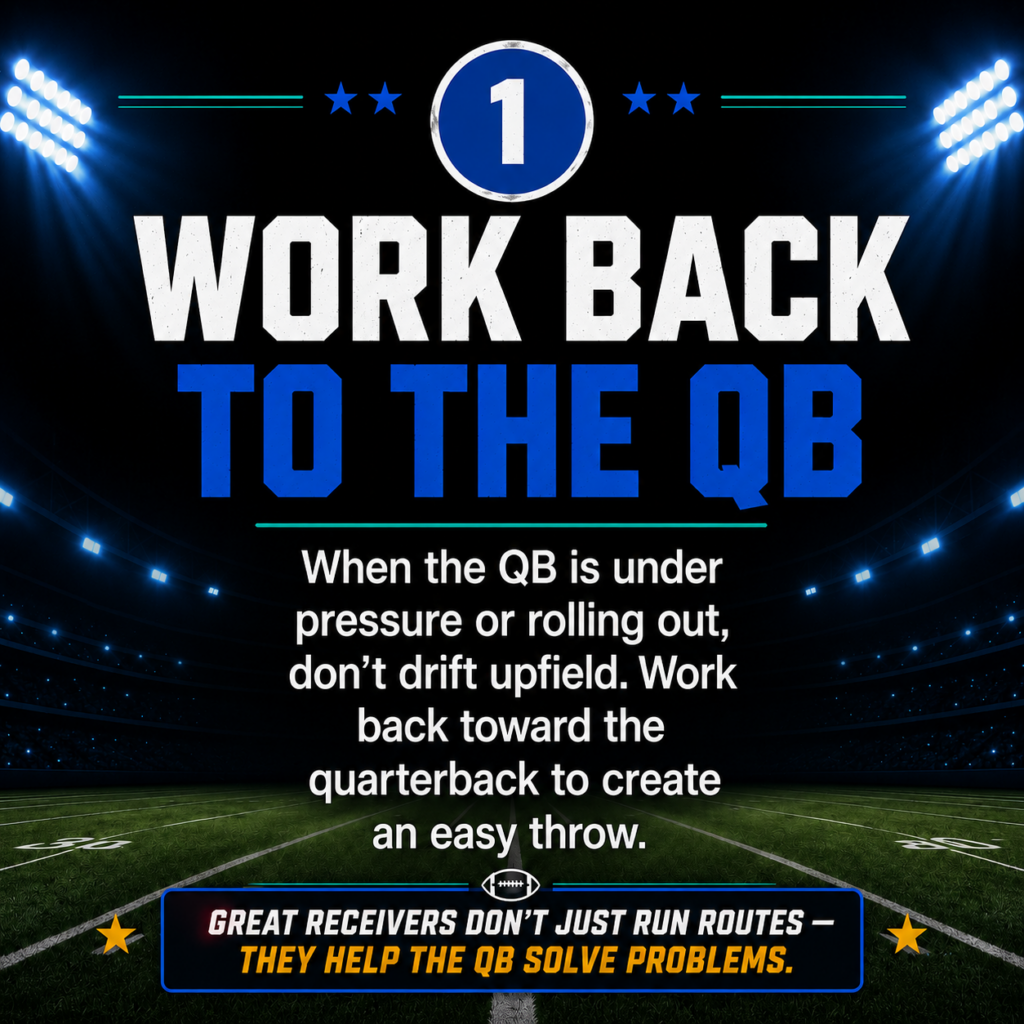
One of the most overlooked receiver skills is learning how to work back to the quarterback when the play breaks down. When the QB is under pressure or rolling out, receivers can’t drift upfield and disappear from the throw. Great receivers understand spacing, urgency, and how to create an easy throwing lane. By coming back toward the quarterback, they help turn a broken play into a positive gain and give the offense a chance to stay on schedule.
Replace the Blitzer / Rusher
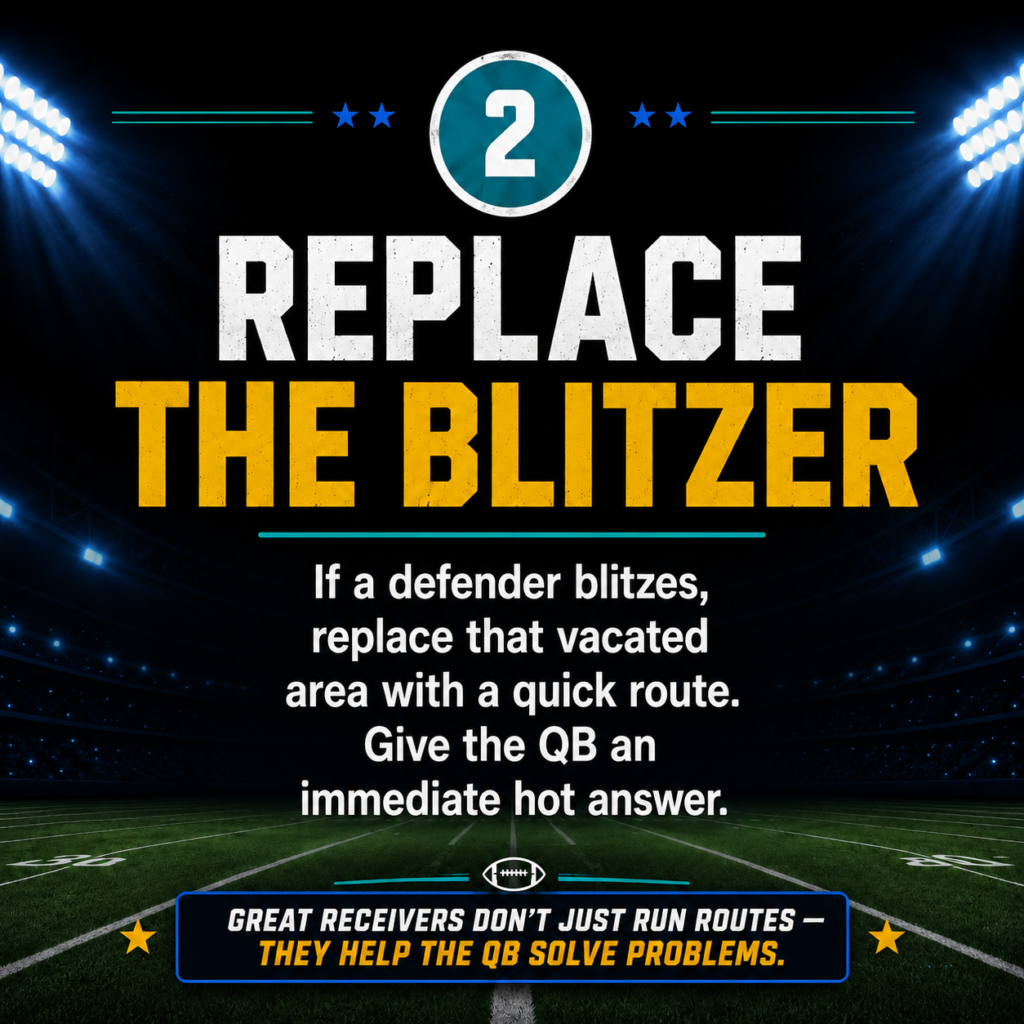
One of the most important coaching points for receivers in flag football is learning how to replace the blitzer. When the defense sends pressure, that defender is leaving space behind them, and smart receivers must recognize it quickly. Instead of continuing blindly through the route, the receiver should settle into the open area and give the quarterback an easy, fast throw.
This helps the offense beat pressure, keeps the QB from forcing bad throws, and turns the defense’s aggression against them. Great receivers don’t just run routes- they understand where the pressure is coming from and become the answer for the quarterback.
Show the QB Your Numbers

Receivers must understand the importance of showing the quarterback their numbers. When a receiver turns their chest and numbers back to the QB, they create a clear target and make the throw easier. This is especially important when sitting in open space, working back to the quarterback, or replacing a blitzer. Too many receivers drift, turn sideways, or hide behind defenders, making it difficult for the QB to deliver the ball. Great receivers present themselves as a big, visible target and help the quarterback make a quick, confident throw.
Keeping Routes Alive
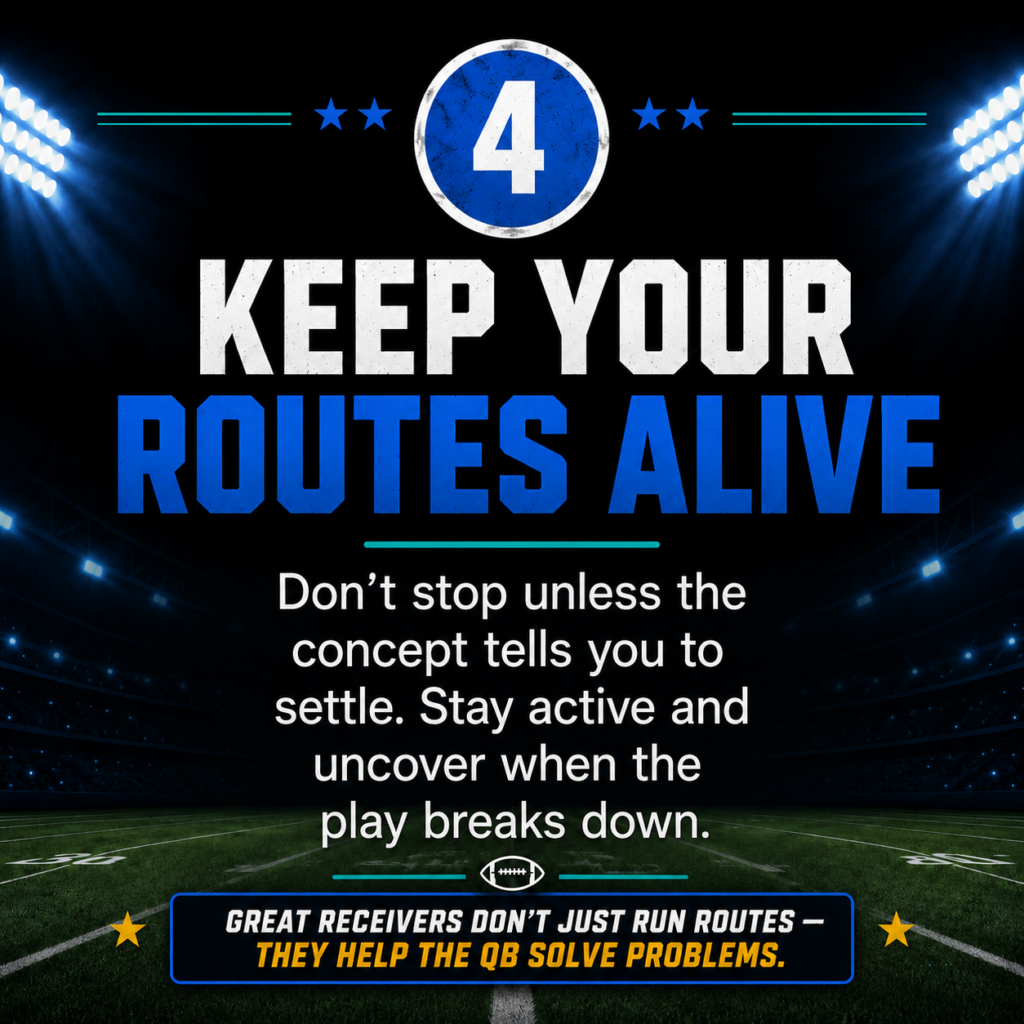
Receivers in flag football must understand the importance of keeping routes alive when the play breaks down. Too many receivers stop once their route is finished, but great receivers continue to work, find open space, and stay available for the quarterback.
When the QB is under pressure, scrambling, or extending the play, receivers need to adjust, work back, show their numbers, and give the QB an easy target. Keeping routes alive turns broken plays into big plays and helps the offense stay dangerous even when the defense wins the initial call.
All of my Attack System Playbooks come with bonus receiver guides! Score more points, win more games!
Playbook Library: Attack System Playbooks for Flag Football
Understanding Defender Leverage
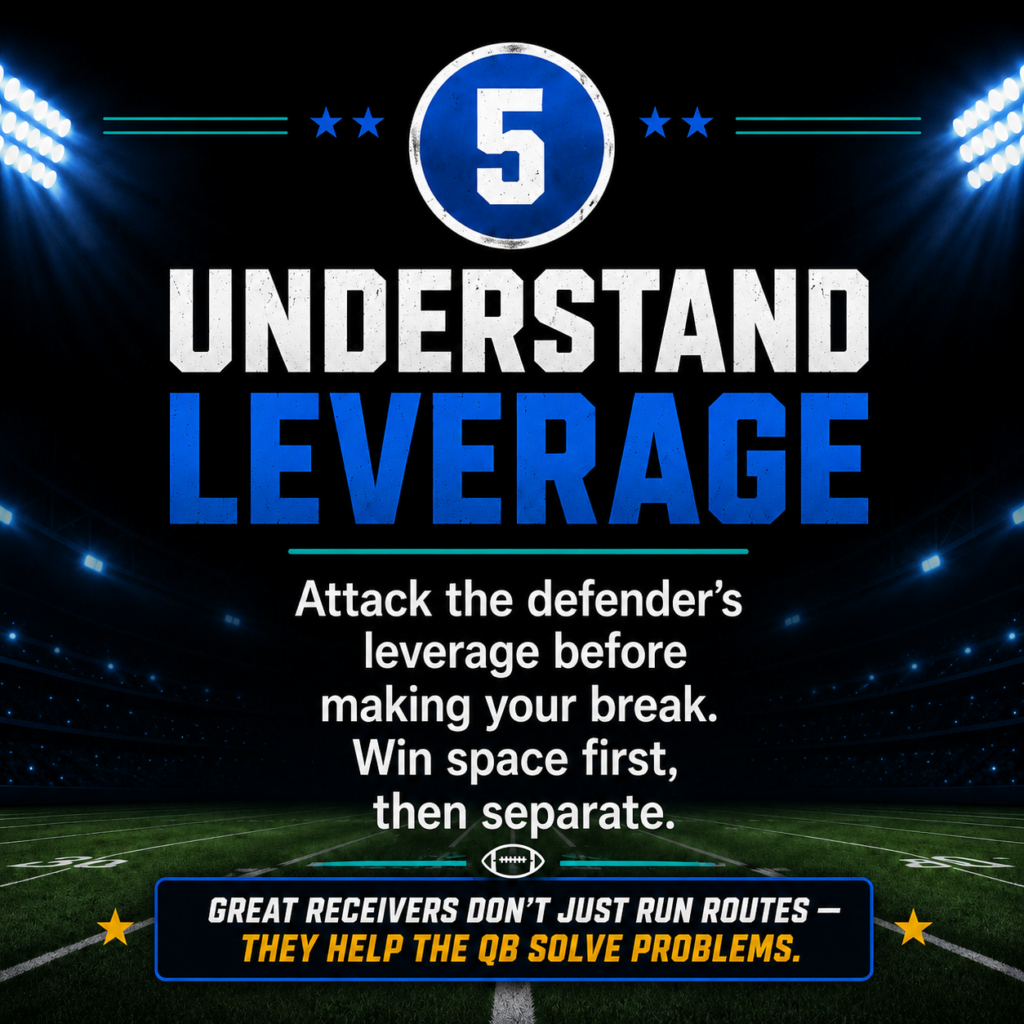
Receivers must understand defender leverage because it tells them how to attack space and create separation. If a defender is playing inside leverage, the receiver should know that the outside release or outside break may be available. If the defender is outside, the receiver can attack inside space and give the quarterback a cleaner throwing window. Too many receivers just run the route on paper, but great receivers adjust based on how the defender is aligned. Understanding leverage allows receivers to win before the ball is even snapped and helps the offense create easier throws.
Great receiver play in flag football comes down to more than speed and route running- it’s about understanding how to help the quarterback. Receivers need to know how to work back to the QB, replace the blitzer, show their numbers, understand defender leverage, and keep routes alive when the play breaks down.
These little details make a huge difference because they create easier throws, cleaner windows, and more opportunities for big plays. The best receivers don’t just run the route on paper- they recognize coverage, adjust to pressure, find open space, and become a reliable answer for the quarterback on every snap.